Buy tertianship.eu ?
We are moving the project
tertianship.eu .
Are you interested in purchasing the domain
tertianship.eu ?
domain@kv-gmbh.de · 0541-91531010
Buy tertianship.eu ?
What is the deontological perspective?
The deontological perspective is an ethical theory that focuses on the inherent rightness or wrongness of actions themselves, rather than the consequences of those actions. It is based on the idea that certain actions are morally obligatory regardless of their outcomes. Deontologists believe that individuals have a duty to follow certain moral rules or principles, such as honesty or respecting others' autonomy, regardless of the potential benefits or harms that may result. This perspective is often associated with philosophers like Immanuel Kant, who argued that moral principles are universal and apply to all rational beings. **
What is meant by deontological and teleological?
Deontological ethics is an ethical theory that focuses on the inherent rightness or wrongness of actions themselves, rather than the consequences of those actions. It emphasizes the importance of following moral rules and duties, regardless of the outcomes. On the other hand, teleological ethics, also known as consequentialism, is an ethical theory that evaluates the morality of actions based on their outcomes or consequences. It emphasizes the idea that the rightness or wrongness of an action is determined by the overall good or bad results it produces. In summary, deontological ethics focuses on the inherent nature of actions, while teleological ethics focuses on the outcomes of actions. **

Similar search terms for Deontological
Top-Angebote
Products related to Deontological:
-
Jeffree Star Cosmetics Velour Liquid Lipstick liquid lipstick shade Gated Community 5.6 mlJeffree Star Cosmetics Velour Liquid Lipstick, 5.6 ml, Lipsticks for Women, Beautifully accentuated lips never go out of style. The Jeffree Star Cosmetics Velour Liquid Lipstick lipstick envelops the surface of your lips in a continuous layer of irresistible and rich colour, accentuating any makeup look perfectly, whether you’re heading to work, a meeting or a party. It allows you to emphasise your lips while also giving them the shape you want or a fuller look. In just a moment, it will give your lips a gorgeous colour and perfect shape, making them the centre of attention and irresistibly kissable. Characteristics: matte effect long-lasting washes out easily Ingredients: vegan product How to use: Apply lipstick to lips from the centre to the corners using gentle strokes.13,30 £*Shipping: 3,99 £Secure redirect to the provider
-
Universal Stock Digital Azan Prayer Clock With Hijri Calendar LED Islamic Wall Clock Digital Azan Prayer Clock With Hijri Calendar LED Islamic Wall ClockStay connected to every prayer with confidence and peace of mind. This 1 pc of Azan Prayer Clock is designed for Muslim homes, offices, prayer rooms, and mosques, providing accurate prayer reminders with a clear LED display. Featuring prayer time...229,97 $*Shipping: 0,00 $Secure redirect to the provider
-
Uplift Treasures LED Lotus Prayer Candle Lamp Battery Operated redProduct Description: Enhance your prayer and meditation space with this elegant LED lotus candle lamp. Designed with a beautiful lotus flower and realistic candlelight effect, it offers a safe, long lasting glow for Buddhist altars, home dcor, and...47,97 $*Shipping: 0,00 $Secure redirect to the provider
-
Astoria Grand Premium Wooden Quran Stand With Prayer Mat Storage – Islamic Prayer Rack & Home Decor Gold;Brown;Black 89cm H X 66cm W X 30cm DThis wooden Quran stand with integrated prayer mat storage offers a practical and decorative solution for organising your daily prayer essentials. Crafted entirely from natural wood, the piece combines durability with a warm, traditional look suitable for any home prayer corner. The structure features a solid spruce base for stability, solid oak hangers designed to hold multiple prayer mats, and an intricately crafted wooden front panel with Islamic motifs in a gold-inspired finish. The angled top shelf provides a comfortable reading position for the Quran, helping create a calm and organised prayer environment. With its natural wood tones — including brown, black and warm yellow accents — this stand blends easily with a variety of interior styles. Its smooth, polished surface enhances the overall appearance while requiring minimal maintenance. Simply wipe with a dry cloth; avoid water, alcohol or harsh chemicals to preserve the finish. Ideal for living rooms, bedrooms, and dedicated prayer spaces, this piece brings both functionality and a meaningful decorative touch to your home. Dimensions (W × L × H): 11.8" × 26" × 35.43" (30 × 66 × 89 cm) Material: Solid wood (spruce, oak, processed decorative wood) Colour: Natural wood (brown, black, yellow tones) Care: Dry cloth only; avoid water, alcohol and chemicals Astoria Grand234,99 £*Shipping: 0,00 £Secure redirect to the provider




-
Does Kant's deontological ethics contradict Aristotle's eudaemonistic ethics?
Kant's deontological ethics and Aristotle's eudaemonistic ethics have some fundamental differences, but they do not necessarily contradict each other. Kant's ethics focus on duty and the intention behind actions, while Aristotle's ethics emphasize achieving eudaimonia, or human flourishing, through virtuous actions. While Kant's emphasis on duty can sometimes conflict with Aristotle's emphasis on virtue, both ethical theories ultimately aim to guide individuals towards leading a good and moral life. Therefore, while they may approach ethics from different perspectives, they can be seen as complementary rather than contradictory. **
-
What is the difference between deontological ethics and utilitarianism?
Deontological ethics is an ethical theory that focuses on the inherent rightness or wrongness of actions themselves, regardless of their consequences. It emphasizes the importance of following moral rules and duties, such as telling the truth or keeping promises, regardless of the outcomes. On the other hand, utilitarianism is a consequentialist ethical theory that evaluates the morality of actions based on their outcomes. It prioritizes maximizing overall happiness or well-being for the greatest number of people, often through the calculation of benefits and harms. In summary, deontological ethics emphasizes the inherent morality of actions, while utilitarianism focuses on the consequences of actions. **
-
Does discourse ethics have a teleological or deontological approach?
Discourse ethics is primarily associated with a deontological approach. It focuses on the principles of communication and interaction between individuals, emphasizing the importance of ethical norms and rules in guiding discourse. The goal is to ensure that communication is based on mutual respect, equality, and rationality, rather than aiming towards a specific outcome or goal. By prioritizing the ethical principles of communication, discourse ethics aims to create a fair and just dialogue among participants. **
-
Is deontological ethics exactly the same as the categorical imperative?
Deontological ethics is a broader ethical theory that states that actions are inherently right or wrong, regardless of their consequences. The categorical imperative, on the other hand, is a specific formulation within deontological ethics proposed by Immanuel Kant. While the categorical imperative is a key component of deontological ethics, deontological ethics encompasses a wider range of principles and theories beyond just the categorical imperative. **


What are the differences between deontological ethics and utilitarian ethics?
Deontological ethics, also known as duty-based ethics, focuses on the inherent rightness or wrongness of actions themselves, regardless of their consequences. It emphasizes following moral rules and duties, such as telling the truth or keeping promises, based on principles like the categorical imperative. On the other hand, utilitarian ethics, also known as consequentialist ethics, prioritizes the outcomes or consequences of actions. It aims to maximize overall happiness or well-being for the greatest number of people, often through the calculation of benefits and harms. While deontological ethics emphasizes duty and rules, utilitarian ethics prioritizes the greatest good for the greatest number. **
What is the difference between deontological ethics and utilitarian ethics?
Deontological ethics, also known as duty-based ethics, focuses on the inherent rightness or wrongness of actions themselves, regardless of their consequences. This means that certain actions are considered morally right or wrong based on whether they adhere to a set of rules or principles. On the other hand, utilitarian ethics, also known as consequentialist ethics, evaluates the morality of actions based on their outcomes or consequences. In utilitarianism, the rightness or wrongness of an action is determined by its ability to produce the greatest overall happiness or pleasure for the greatest number of people. **
Top-Angebote
Products related to Deontological:
-
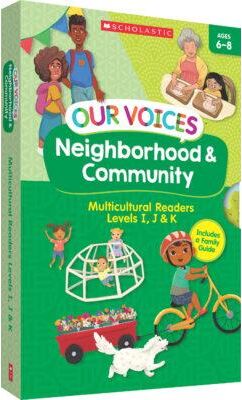
Our Voices: Neighborhood & Community Boxed SetFoster a feeling of belonging while building key reading skills with these colorful storybooks that spotlight a variety of neighborhoods and communities. The 10 charming stories feature characters from different cultural backgrounds who learn about...30,59 $*Shipping: 0,00 $Secure redirect to the provider
-
Nails Inc. Plant Power long-lasting nail polish shade What's Your Spirituality 14 mlNails Inc. Plant Power, 14 ml, Nail Varnishes for Women, A gorgeous manicure as though you’d just left the nail salon? The Nails Inc. Plant Power nail polish lets you achieve it in the comfort of your own home. It coats the surface of the nail with a continuous layer of long-lasting, intense colour with a glossy finish, helping to give your nails a manicured, perfectly groomed look. You can use it to accentuate your nails or perhaps to enhance your outfit and style. So which colour will you choose to make your nails pop? Characteristics: bright, rich colour ensures a high gloss easy to apply Ingredients: vegan product no acetone How to use: Apply the polish using a brush for polish-free, degreased nails. For best results, apply two layers.8,70 £*Shipping: 3,99 £Secure redirect to the provider
-
Jeffree Star Cosmetics Velour Liquid Lipstick liquid lipstick shade Gated Community 5.6 mlJeffree Star Cosmetics Velour Liquid Lipstick, 5.6 ml, Lipsticks for Women, Beautifully accentuated lips never go out of style. The Jeffree Star Cosmetics Velour Liquid Lipstick lipstick envelops the surface of your lips in a continuous layer of irresistible and rich colour, accentuating any makeup look perfectly, whether you’re heading to work, a meeting or a party. It allows you to emphasise your lips while also giving them the shape you want or a fuller look. In just a moment, it will give your lips a gorgeous colour and perfect shape, making them the centre of attention and irresistibly kissable. Characteristics: matte effect long-lasting washes out easily Ingredients: vegan product How to use: Apply lipstick to lips from the centre to the corners using gentle strokes.13,30 £*Shipping: 3,99 £Secure redirect to the provider
-
Universal Stock Digital Azan Prayer Clock With Hijri Calendar LED Islamic Wall Clock Digital Azan Prayer Clock With Hijri Calendar LED Islamic Wall ClockStay connected to every prayer with confidence and peace of mind. This 1 pc of Azan Prayer Clock is designed for Muslim homes, offices, prayer rooms, and mosques, providing accurate prayer reminders with a clear LED display. Featuring prayer time...229,97 $*Shipping: 0,00 $Secure redirect to the provider
-
What is the deontological perspective?
The deontological perspective is an ethical theory that focuses on the inherent rightness or wrongness of actions themselves, rather than the consequences of those actions. It is based on the idea that certain actions are morally obligatory regardless of their outcomes. Deontologists believe that individuals have a duty to follow certain moral rules or principles, such as honesty or respecting others' autonomy, regardless of the potential benefits or harms that may result. This perspective is often associated with philosophers like Immanuel Kant, who argued that moral principles are universal and apply to all rational beings. **
-
What is meant by deontological and teleological?
Deontological ethics is an ethical theory that focuses on the inherent rightness or wrongness of actions themselves, rather than the consequences of those actions. It emphasizes the importance of following moral rules and duties, regardless of the outcomes. On the other hand, teleological ethics, also known as consequentialism, is an ethical theory that evaluates the morality of actions based on their outcomes or consequences. It emphasizes the idea that the rightness or wrongness of an action is determined by the overall good or bad results it produces. In summary, deontological ethics focuses on the inherent nature of actions, while teleological ethics focuses on the outcomes of actions. **
-
Does Kant's deontological ethics contradict Aristotle's eudaemonistic ethics?
Kant's deontological ethics and Aristotle's eudaemonistic ethics have some fundamental differences, but they do not necessarily contradict each other. Kant's ethics focus on duty and the intention behind actions, while Aristotle's ethics emphasize achieving eudaimonia, or human flourishing, through virtuous actions. While Kant's emphasis on duty can sometimes conflict with Aristotle's emphasis on virtue, both ethical theories ultimately aim to guide individuals towards leading a good and moral life. Therefore, while they may approach ethics from different perspectives, they can be seen as complementary rather than contradictory. **
-
What is the difference between deontological ethics and utilitarianism?
Deontological ethics is an ethical theory that focuses on the inherent rightness or wrongness of actions themselves, regardless of their consequences. It emphasizes the importance of following moral rules and duties, such as telling the truth or keeping promises, regardless of the outcomes. On the other hand, utilitarianism is a consequentialist ethical theory that evaluates the morality of actions based on their outcomes. It prioritizes maximizing overall happiness or well-being for the greatest number of people, often through the calculation of benefits and harms. In summary, deontological ethics emphasizes the inherent morality of actions, while utilitarianism focuses on the consequences of actions. **
Similar search terms for Deontological
-
Uplift Treasures LED Lotus Prayer Candle Lamp Battery Operated redProduct Description: Enhance your prayer and meditation space with this elegant LED lotus candle lamp. Designed with a beautiful lotus flower and realistic candlelight effect, it offers a safe, long lasting glow for Buddhist altars, home dcor, and...47,97 $*Shipping: 0,00 $Secure redirect to the provider
-
Astoria Grand Premium Wooden Quran Stand With Prayer Mat Storage – Islamic Prayer Rack & Home Decor Gold;Brown;Black 89cm H X 66cm W X 30cm DThis wooden Quran stand with integrated prayer mat storage offers a practical and decorative solution for organising your daily prayer essentials. Crafted entirely from natural wood, the piece combines durability with a warm, traditional look suitable for any home prayer corner. The structure features a solid spruce base for stability, solid oak hangers designed to hold multiple prayer mats, and an intricately crafted wooden front panel with Islamic motifs in a gold-inspired finish. The angled top shelf provides a comfortable reading position for the Quran, helping create a calm and organised prayer environment. With its natural wood tones — including brown, black and warm yellow accents — this stand blends easily with a variety of interior styles. Its smooth, polished surface enhances the overall appearance while requiring minimal maintenance. Simply wipe with a dry cloth; avoid water, alcohol or harsh chemicals to preserve the finish. Ideal for living rooms, bedrooms, and dedicated prayer spaces, this piece brings both functionality and a meaningful decorative touch to your home. Dimensions (W × L × H): 11.8" × 26" × 35.43" (30 × 66 × 89 cm) Material: Solid wood (spruce, oak, processed decorative wood) Colour: Natural wood (brown, black, yellow tones) Care: Dry cloth only; avoid water, alcohol and chemicals Astoria Grand234,99 £*Shipping: 0,00 £Secure redirect to the provider
-
Everyday Crate Smart Azan Prayer Clock With Hijri Calendar, Temperature Display & Dual Language Alarm Smart Azan Prayer Clock With Hijri Calendar, Temperature Display & Dual Language AlarmFeel confident knowing every prayer time is right at your fingertips. This Azan clock is designed for Muslims who want a simple, reliable way to stay connected to daily prayers while keeping track of time, date, and temperature. Featuring automatic...49,97 $*Shipping: 0,00 $Secure redirect to the provider
-
Uplift Treasures LED Lotus Prayer Candle Lamp Battery Operated whiteProduct Description: Enhance your prayer and meditation space with this elegant LED lotus candle lamp. Designed with a beautiful lotus flower and realistic candlelight effect, it offers a safe, long lasting glow for Buddhist altars, home dcor, and...48,97 $*Shipping: 0,00 $Secure redirect to the provider
-
Does discourse ethics have a teleological or deontological approach?
Discourse ethics is primarily associated with a deontological approach. It focuses on the principles of communication and interaction between individuals, emphasizing the importance of ethical norms and rules in guiding discourse. The goal is to ensure that communication is based on mutual respect, equality, and rationality, rather than aiming towards a specific outcome or goal. By prioritizing the ethical principles of communication, discourse ethics aims to create a fair and just dialogue among participants. **
-
Is deontological ethics exactly the same as the categorical imperative?
Deontological ethics is a broader ethical theory that states that actions are inherently right or wrong, regardless of their consequences. The categorical imperative, on the other hand, is a specific formulation within deontological ethics proposed by Immanuel Kant. While the categorical imperative is a key component of deontological ethics, deontological ethics encompasses a wider range of principles and theories beyond just the categorical imperative. **
-
What are the differences between deontological ethics and utilitarian ethics?
Deontological ethics, also known as duty-based ethics, focuses on the inherent rightness or wrongness of actions themselves, regardless of their consequences. It emphasizes following moral rules and duties, such as telling the truth or keeping promises, based on principles like the categorical imperative. On the other hand, utilitarian ethics, also known as consequentialist ethics, prioritizes the outcomes or consequences of actions. It aims to maximize overall happiness or well-being for the greatest number of people, often through the calculation of benefits and harms. While deontological ethics emphasizes duty and rules, utilitarian ethics prioritizes the greatest good for the greatest number. **
-
What is the difference between deontological ethics and utilitarian ethics?
Deontological ethics, also known as duty-based ethics, focuses on the inherent rightness or wrongness of actions themselves, regardless of their consequences. This means that certain actions are considered morally right or wrong based on whether they adhere to a set of rules or principles. On the other hand, utilitarian ethics, also known as consequentialist ethics, evaluates the morality of actions based on their outcomes or consequences. In utilitarianism, the rightness or wrongness of an action is determined by its ability to produce the greatest overall happiness or pleasure for the greatest number of people. **
* All prices are inclusive of VAT and, if applicable, plus shipping costs. The offer information is based on the details provided by the respective shop and is updated through automated processes. Real-time updates do not occur, so deviations can occur in individual cases. ** Note: Parts of this content were created by AI.